What is Rhythm for Reading? Why our musical notation is simpler than you might expect

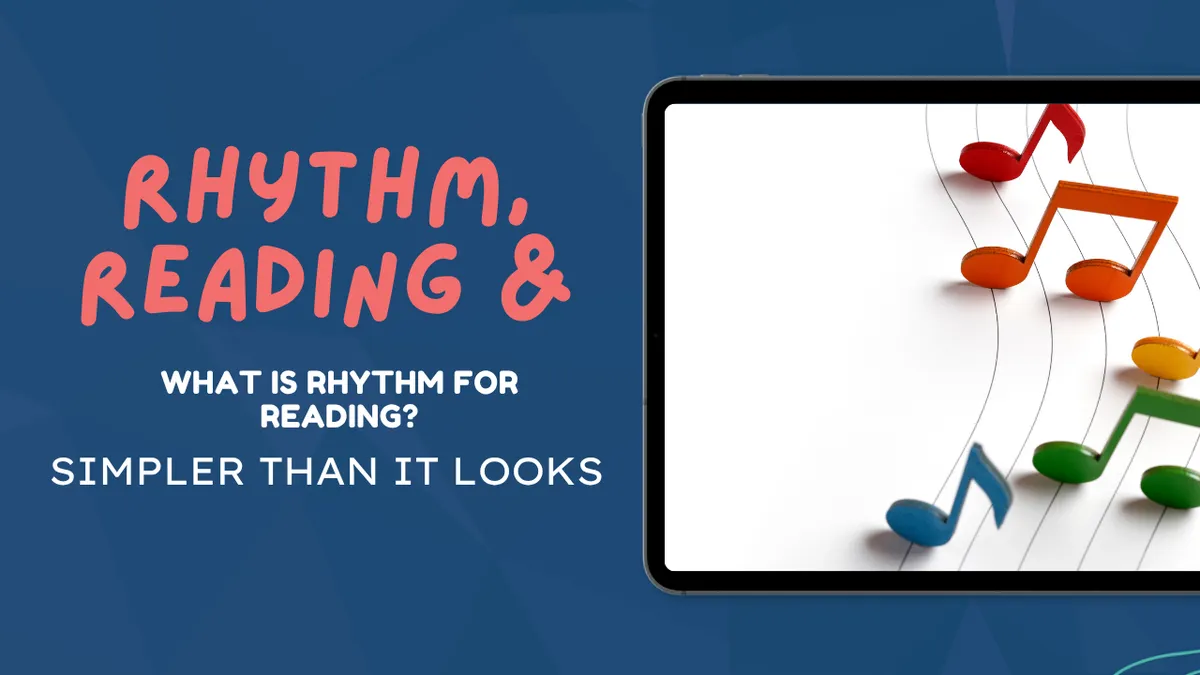
Musical notation can look daunting. For lower-attaining readers, a few simple notes read in time with music can open a new route into fluent reading.

Musical notation can look daunting. For lower-attaining readers, a few simple notes read in time with music can open a new route into fluent reading.

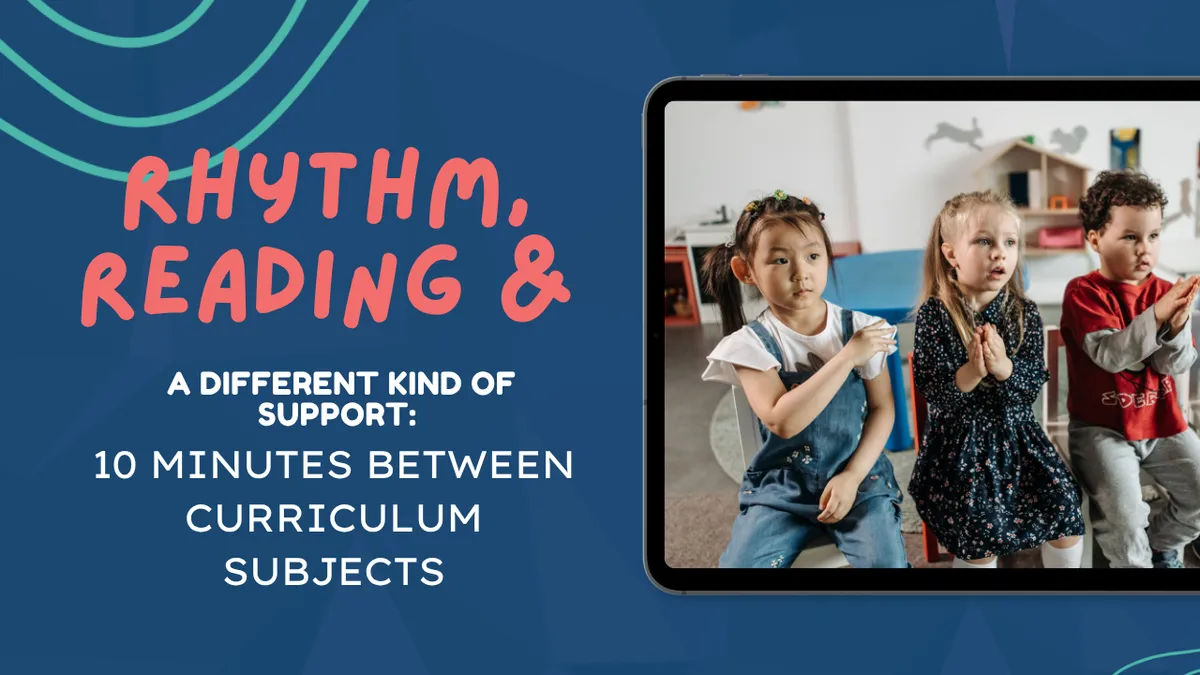
Taking lower-attaining readers out of class can cost them curriculum time. How ten-minute, rhythm-based sessions fit between subjects.

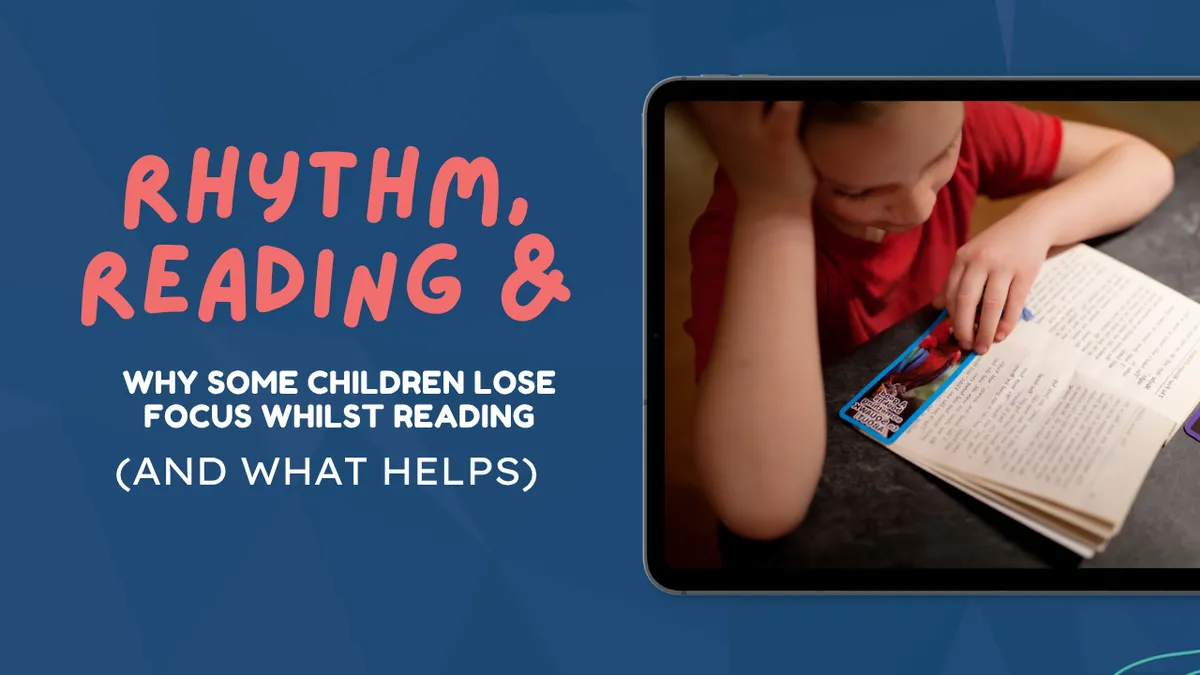
Why do some children lose their place or skip words when they read? What fading attention looks like, and how rhythm can help strengthen attention.

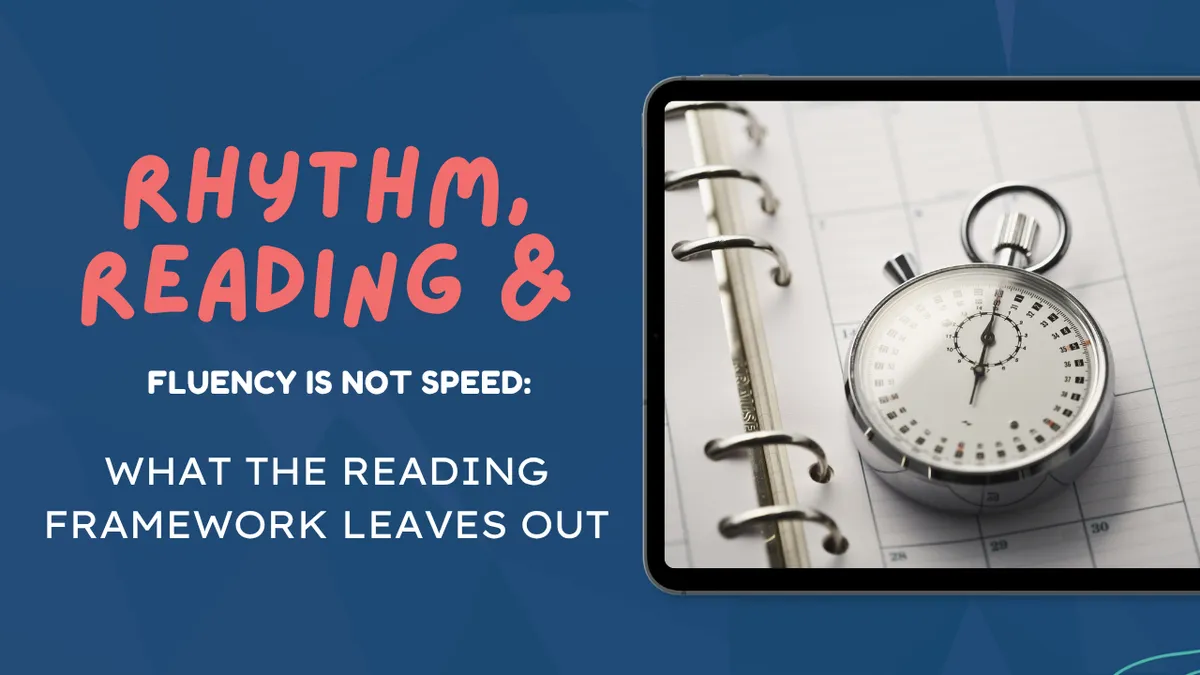
The Reading framework defines fluency as words read accurately per minute. This post offers a closer look at what sits between decoding and comprehension - and what matters most for lower-attaining readers.

Dr Marion Long is the founder of Rhythm for Reading and the creator of Rhythm for Reading Online CPD for teachers supporting lower-attaining readers. Her doctorate at UCL Institute of Education investigated the effects of a rhythm-based music intervention on children's reading behaviour. If you would like to discuss having Rhythm for Reading in your school, please visit the bookings page and select the most convenient date and time.

“It’s only an hour that they have with you over the time that you come in over the six weeks and for it to be able to make, for a lot of them, up to a year’s difference in their reading ability is quite amazing really.” Year 3 teacher
© Copyright 2026 Rhythm for Reading Services Ltd All Rights Reserved. - Privacy Policy - Terms & Conditions